

Create more space at home: When self-storage can help

In an urban home, a lack of space does not always mean that you need another bedroom. The problem may be that a dining table has become a permanent work area, or your main hallway that was once a clear path has been taken up by bicycles and boxes.
Population and housing-market pressures vary significantly across Italy. A 2026 Bank of Italy study found that urban municipalities in central and northern Italy continue to attract residents through domestic and international migration. It also found that the relationship between population change and house prices is stronger in these urban areas.
This concentration may increase competition for residential space and make efficient use of space increasingly important for people living in city apartments.These pressures affect many households, but self storage will not be right for everyone. First, establish whether you need more living accommodation or whether belongings are preventing you from using the space you already have. If moving possessions out of your home would allow space for your daily life, self-storage could be a great alternative to moving to a larger property.
What self-storage is
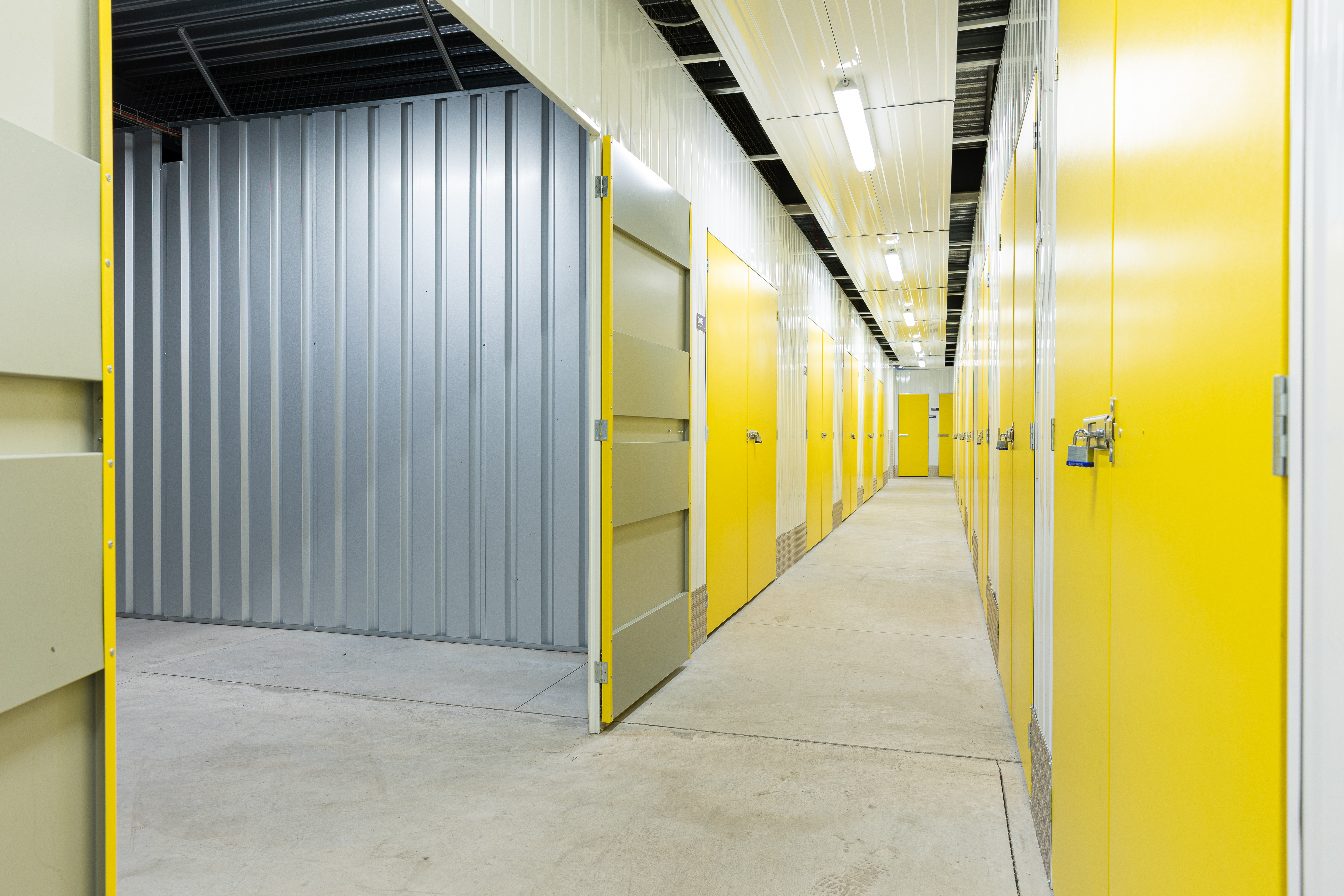
Self-storage provides a separate, lockable unit for belongings that you want to retain but do not need beside you every day. Units are available in different sizes, and you can usually access yours during the facility’s published access hours. It is different from disposing of possessions or using a removal company. You decide what goes into the unit and organise it so that anything you may need remains within reach.
Start with a room-by-room audit
Review one space at a time instead of writing a general note such as “the spare room is full”. Examine what's in the way and what you'd like to use the room for (“eight boxes, two dining chairs and three suitcases prevent the room from being used as a study”.)
Ask the following questions:
- Which belongings are used every day or every week?
- Which items are seasonal or used only occasionally?
- Are boxes or furniture restricting a hallway, balcony or utility area?
- Would shelving or better cupboard organisation solve the problem?

Practical scenarios in Italian urban homes
Rome: account for the full journey during busy times
Rome’s size means that a facility that appears nearby may still take time to reach, particularly when the route crosses the city. Check the journey from both home and work at the times you are likely to travel. Include the complete visit, not only the drive: finding parking, reaching the loading area, unloading and returning home.
If you expect to visit monthly, look for a facility on your side of the city or along a journey you already make.
Milan: balance proximity with access frequency
In Milan, start with looking at the items you want to store instead of the distance. Public transport may be workable for documents, a suitcase or a small box. Large furniture with several containers will usually require a suitable vehicle.
Check whether the facility is practical for that vehicle, including parking and loading arrangements. A central location may suit small items needed regularly, while belongings accessed only once or twice a year could be better stored farther away where the outer city storage costs tend to be cheaper.
Sort belongings before choosing storage
Everyday items
Clothes in use, regular kitchen equipment, school and work items should remain accessible at home. Reorganising cupboards or adding suitable shelving may be enough.
Seasonal or occasional items
Holiday decorations, fans, heaters, luggage and sports equipment may be suitable for storage if they are unused for long periods.
Retained items
Furniture, documents or personal belongings may have a clear reason for being kept even when they are not used. Record that reason and set a date to review it.
Decluttering should come before looking at your options, starting with belongings you no longer want. Separate them into items you can sell, items suitable for donation, and items that need to be disposed of responsibly. Set a deadline for each action so that bags and boxes prepared for removal don't become a new source of clutter.

Compare your stored items to your everyday living
Keep the items that have a clear purpose, but not at the expense of the space you want to use daily. Furniture kept for family gatherings should not stop you using your dining area every day. If you know why you are keeping certain items but need time to decide what happens next, storage can give you that extra breathing room to decide.
For each group of items, record:
- why you are retaining it;
- how often you expect to use it;
- how much floor or cupboard space it occupies at home;
- how difficult and costly it would be to replace
Compare the cost of self-storage with moving
Once you know how much space you want to recover, compare the two options over the same period.
If you rent, calculate the difference between your current rent and the rent for a suitable larger property. Add the deposit, removal costs, packing materials, cleaning and any other charges connected with ending one tenancy and starting another.
If you own your home, consider the additional amount you would need to borrow, along with the costs of selling, buying and moving. Include professional fees, removals, cleaning and the time involved.
Then calculate the full cost of self storage for the same period. Include the unit price, any required protection or insurance cover and vehicle hire or travel to and from the facility. If there are offers availabile, check the total price after any introductory offer ends. If you expect to use storage for 12 months, compare its complete 12-month cost with the additional housing and moving costs you would incur during that period.
Moving could give you necessary living space, while self storage only removes belongings from the home. Storage is more likely to be suitable when the property already meets your everyday needs, but infrequently used possessions are preventing you from using it properly.
Choose a unit size based on your inventory
List every box and measure furniture and irregular equipment. You can use this to compare two plausible unit sizes and plan how safely stackable boxes will be arranged.
Frequently needed items should sit near the entrance, with labels visible and an access aisle where necessary. Furniture may take less room when safely dismantled; if you plan to do so, make sure you retain fixings and assembly instructions with the item.
Pick your location according to how often you need your items
- Weekly or frequent access: prioritise a short, predictable journey, suitable access hours and straightforward loading.
- Monthly access: look for a facility that fits an established journey between home, work or other regular destinations.
- Seasonal access: a longer journey may be acceptable if you visit only once or twice a year.
Confirm the current access hours directly with the selected centre, as these are operating claims that may change by location.
Review your storage arrangement after three to six months
After three to six months, ask yourself whether you have recovered the room or living area you needed, how often you visited, which stored objects still have a clear purpose and whether the unit is larger than necessary.
Remove items that no longer justify their space and update the inventory. A regular review also stops storage becoming a place where decisions about unwanted belongings are postponed indefinitely.
Use storage to support decisions about your home
A bigger home can be the right answer when your household needs an extra room or simply more room for everyday life. But you don't need to move just because rarely used possessions are taking over valuable living space.
Sell, donate or recycle what you no longer need, then measure what remains. You'll have a much clearer idea of the amount of space you're trying to create and can compare the cost and disruption of a house move with a personal storage unit.

